

The Safe, Progressive Path from Leg Lock🦵 White Belt to Gym Menace
Don't Be the Black Belt Who Gets Leg locked by Blue Belts 🦵- How to Learn Modern Leg Locks

The Embarrassing Reality at Most Gyms
This is probably one of the things I get asked the most by higher belts—not all higher belts, but ones who are generally good at all jiu-jitsu except modern leg locks.
Here’s the uncomfortable truth: In most regular gyms (excluding world-class competition gyms), there are usually a handful of people who are semi-proficient at modern leg locks. And they are a menace for the rest of the gym during no-gi days.
Even though it’s been more than 10 years since the modern leg lock game started emerging, in most hobbyist and non-world-class gyms (99.9% of all gyms), Brazilian tradition still has some effect. Rules like “no heel hooks” or “no reaping for anyone below brown belt” are common.
The result? It’s way too common for me to see new brown belts and even seasoned black belts get tapped by a blue belt who’s been training leg locks for less than a year.
These brown and black belts are leg lock white belts. Even though some jiu-jitsu principles translate to leg locks, some other “good practices” are actually detrimental when you include modern leg locks in the equation.
What I Mean by “Modern Leglocks”
When I say modern leg locks, I’m referring to:
Understanding controlling positions that lead to heel hooks
The new approach to straight ankle lock submissions
How other twisting locks like Aokis and Wojlocks work
This is different from the old-school “grab and crank” approach that made leg locks seem dangerous and unpredictable.
The Fear Problem (And Why It’s Ignorant)
This subject frustrates me when teaching because too many people are ignorantly terrified by leg locks and still don’t invest a single second to understand them—not even to defend them remotely proficiently.
Yes, they can be dangerous. NO, they aren’t unpredictably dangerous.
A lot of people THINK that heel hooks, for example, are impossible to understand to the level where you can’t know if your knee is going to break or not.
This is 100% FALSE.
If you understand the position and do your homework—learning and training them progressively, responsibly, and with a good training partner—you can learn to be aware 100% of the time when you need to tap and when you don’t.
You can always take more or less risk, but knowing when you’re in danger and when you’re not is something you learn.
How to Start Training SAFELY (For Total Beginners)
Rule #1: Train with a Responsible Partner
Always do it with someone who knows what you’re training. Speak beforehand and state simple rules for safety. This is non-negotiable.
Rule #2: No Cranking Submissions
You win by locking your hands into the initial breaking grip, not by applying it. The roll pauses when someone achieves the grip.
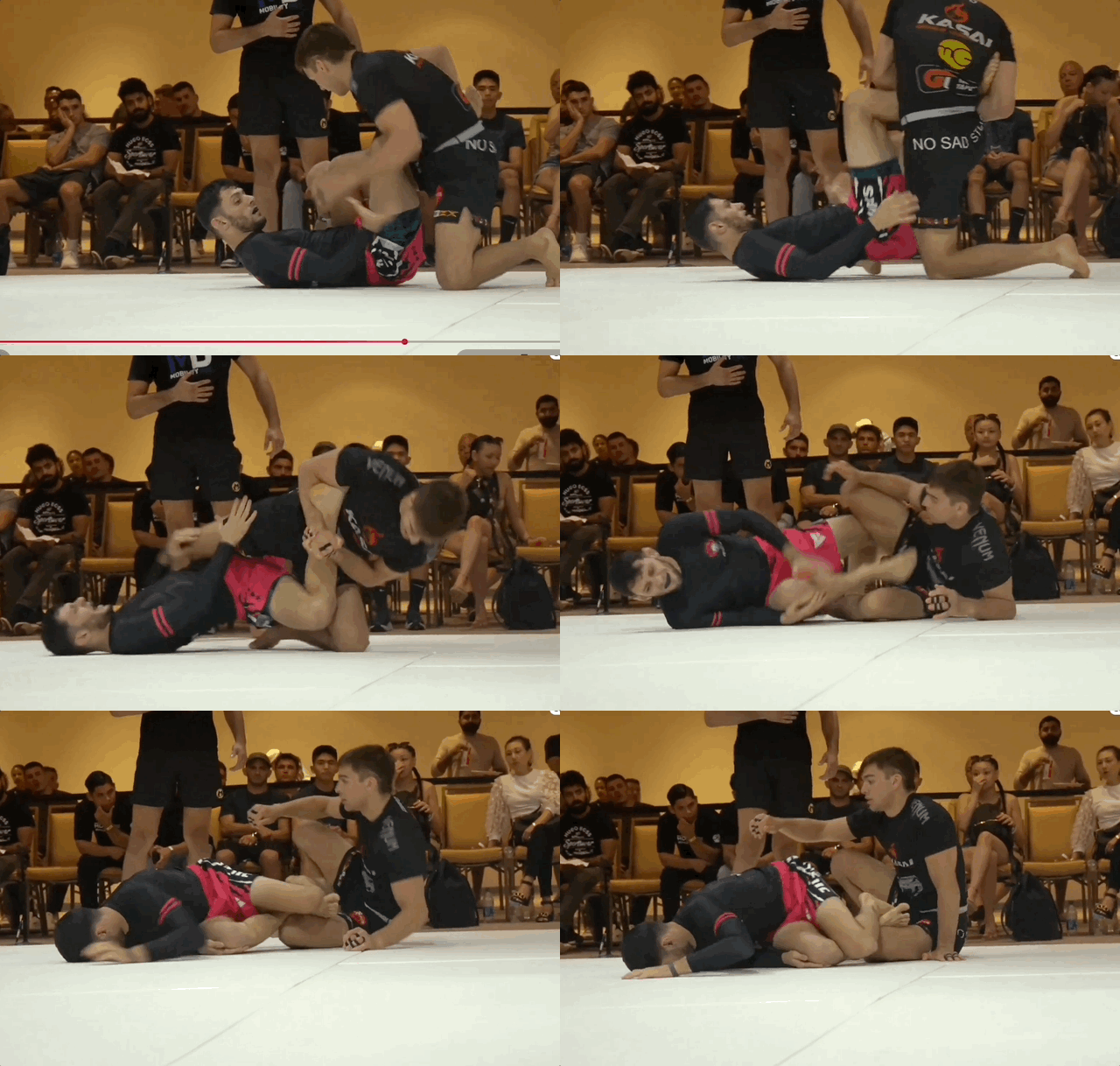
Rule #3: Breaking Mechanics Trained SEPARATELY at the Beginning
Whenever someone gets a leg lock, you win by holding it. Once you’ve “won,” you stop and ask your partner to let you test your breaking mechanics—slow and controlled, with your partner serving as a dummy ready to tap and give feedback.
Rule #4: Reaping Positions (Progressive Learning)
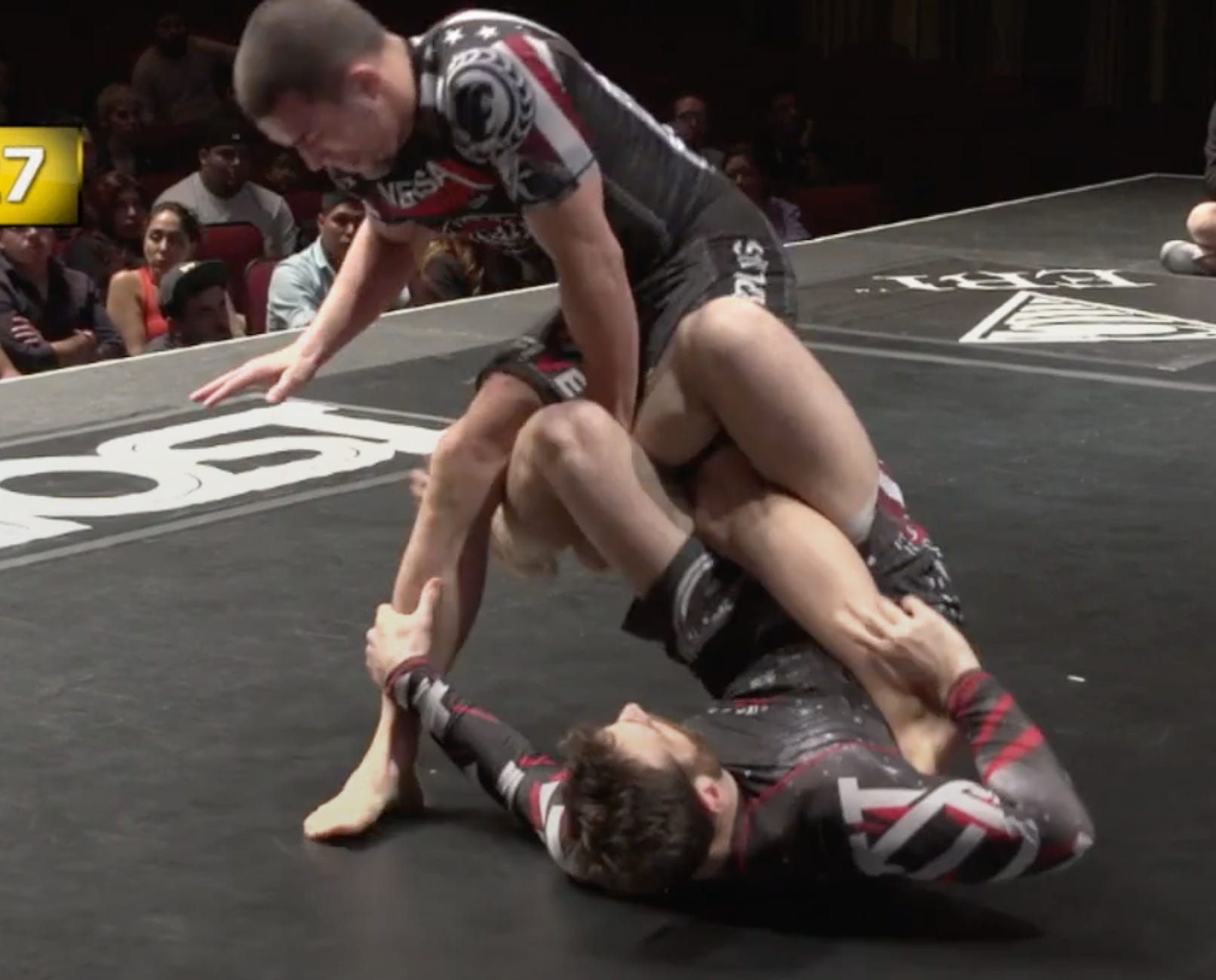
Whenever anyone enters a reaping position, the speed of the roll reduces to 50%. As you get better at understanding and feeling the danger, you increase the speed. This is a rule for the ATTACKER, so state it before you start rolling.
Rule #5: Jumping Gets You Banned from the Gym
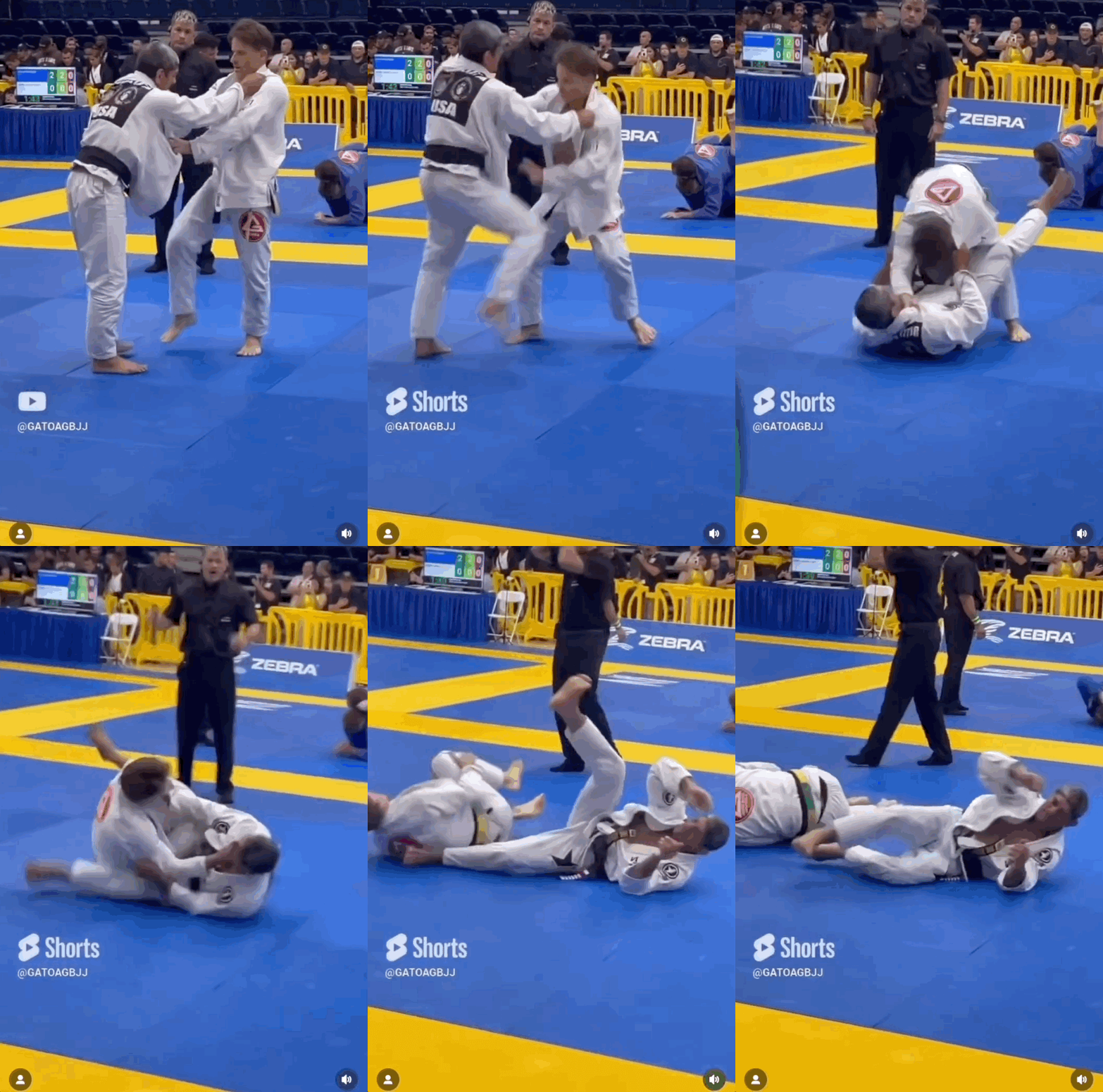
This applies to everything, not just leg locks. Jumping causes the most devastating injuries in our sport. Kani-basami (flying scissors) is obvious, but basic stuff like jumping closed guard or failed flying triangles are also super dangerous.
Bonus: How to Frustrate the One-Trick-Pony Blue Belt
I want to add a quick bonus for those of you getting super annoyed with the one-trick-pony blue belt who ONLY goes for leg locks.
If you look at the beginning of the modern leg lock revolution, the only guys who managed to survive (temporarily or full matches) against good leg lockers were the ones who:
Only worked from inside leg position
Kept their knee glued to their chest whenever they lost inside position
Immediately worked on regaining inside position
I know this is a terrible strategy to win, but at this stage of your BJJ journey, the technical ability gap between someone proficient and someone who’s a beginner in leg locks is so huge that this is probably the only way to survive.
If you constantly get submitted by one specific “leg locker” in your gym, try applying this defensive strategy for a full roll and watch how frustrated they become.
Reality check: This obviously won’t work against Eddie Cummings or Lachlan Giles. But more likely than not, the “leg locker” at a regular gym isn’t actually that good (they’re just blue-belt leg lockers fighting first-day white-belt leg lockers).
Look at how Jimmy Friedrich stays safe against Garry Tonon (white rashguard) by never losing inside position with both of his legs:

Games to Build Your Leg Lock Foundation
Game 1: Inside Position Duel
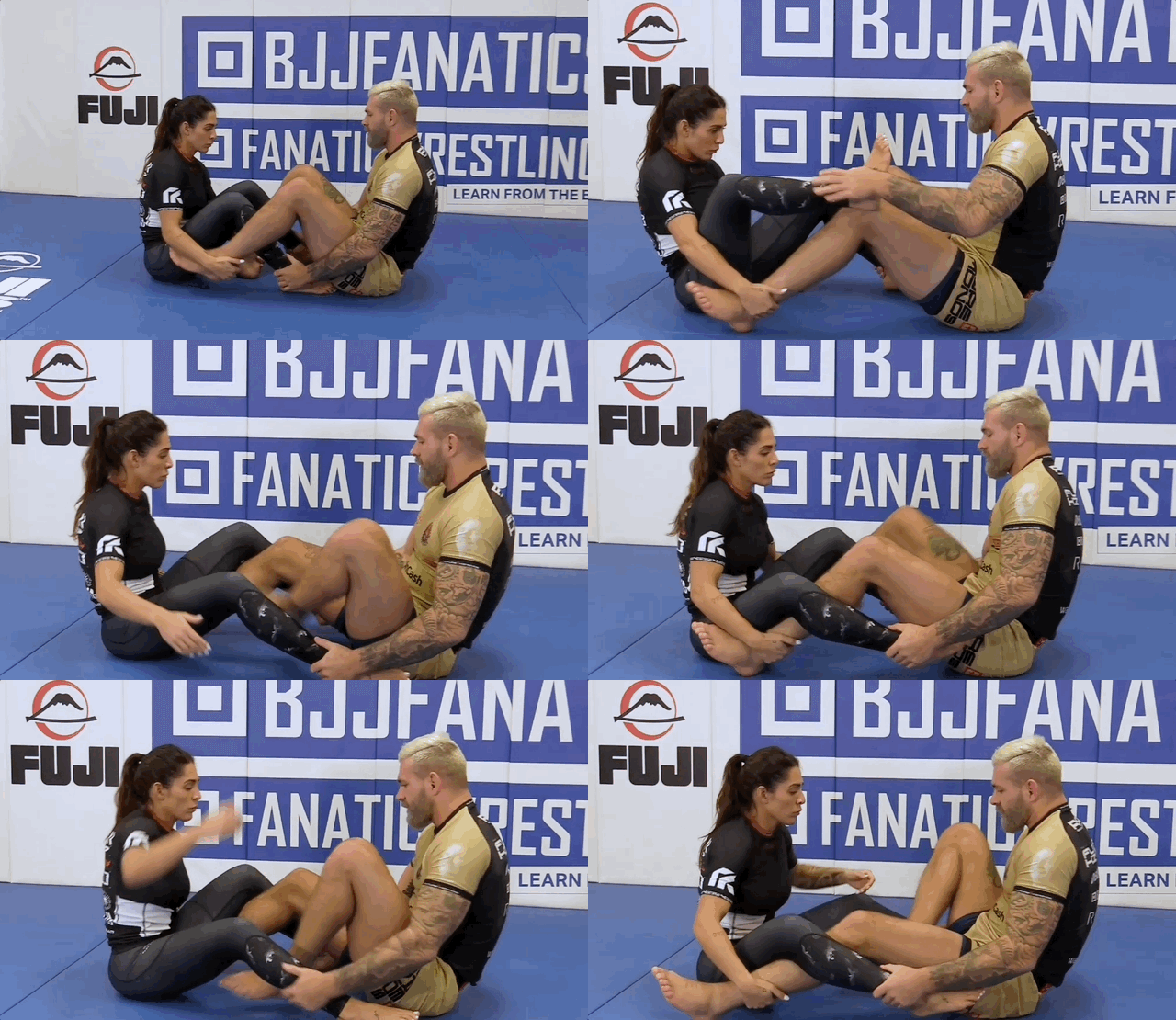
From double guard pull or one standing vs. one playing open guard, using no hands. Fight only for inside leg position.
Purpose: Develop sensitivity for leg positioning without the distraction of submissions.
Game 2: Race to Controlling Position
Start in a neutral position. The game consists of getting into a good controlling position. Whoever gets to some sort of offensive ashi garami wins (Irimi Ashi, Outside Ashi, 411, Full Reap).
Purpose: Learn entries and understand what constitutes a dominant leg entanglement.
Game 3: Maintain Specific Leg Locking Positions
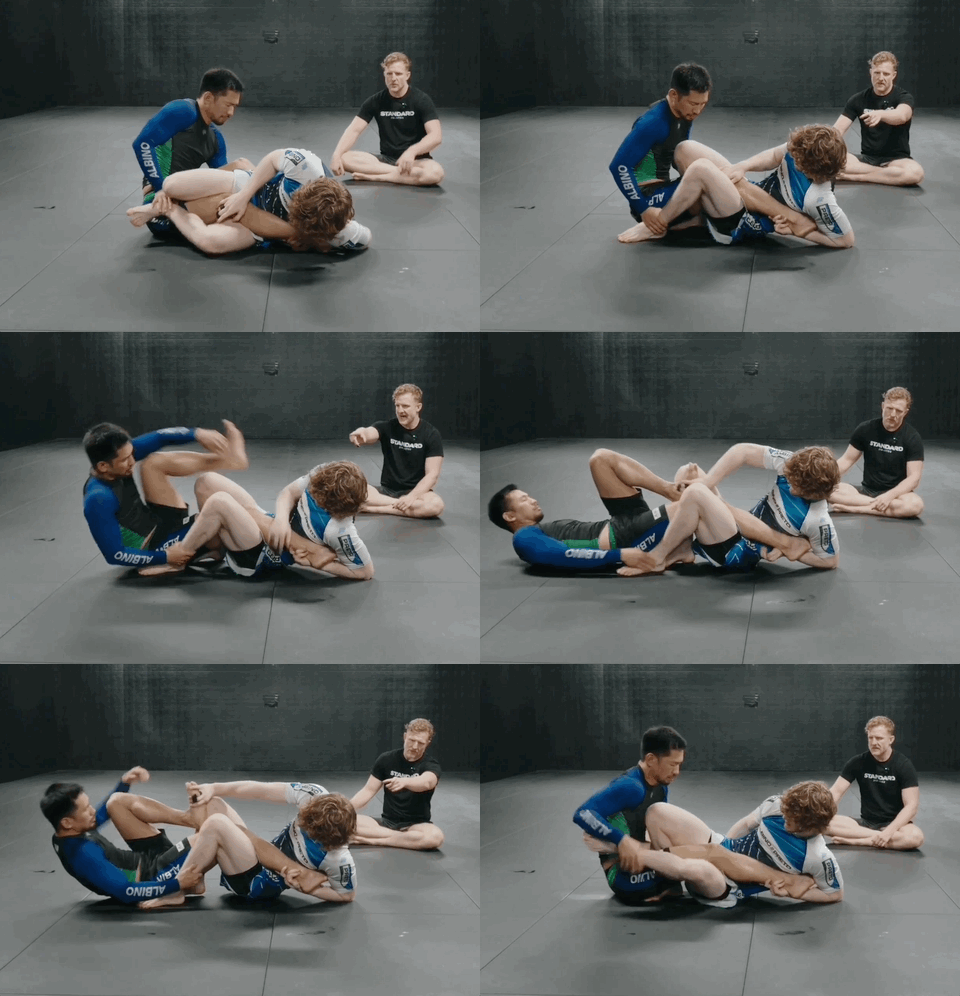
Attacker gets into one leg locking position (Irimi Ashi, Outside Ashi, 411, etc.) and the goal is to MAINTAIN it while the opponent’s goal is to escape.
Add constraints as you change positions—like keeping hips on the floor or not standing up—to make sure you train specific parts and situations of the control.
Purpose: Build the positional control that makes submissions inevitable.
The Reality Check
You are only like a month away from becoming one of the top leg lockers in most gyms.
You are like a week away from becoming danger-aware enough to start your leg locking journey with freedom.
DON’T be the black belt with 20 years of experience who gets submitted by a white belt that’s only been leg locking for 6 months.
If you are already in that situation, invest a couple of months into your leg locking education to get out of that nightmare.
The Bottom Line
Modern leg locks aren’t mysterious or unpredictably dangerous. They’re a systematic part of jiu-jitsu that can be learned safely and progressively like anything else.
The only difference? The learning curve is steep if you ignore them, but surprisingly fast if you approach them systematically with the right safety protocols.
Stop being ignorantly afraid and start being intelligently educated.
That’s it. Play with it and let me know if you get stuck. What’s been your biggest barrier to learning leg locks?
Oss 👊
Stop getting embarrassed by blue belts. Share this with a higher belt who needs to start their leg lock education.
I realise that the best way to learn is by a good coach. But any reccomedations for good video courses?
All the injury gif jumpscares aaaa